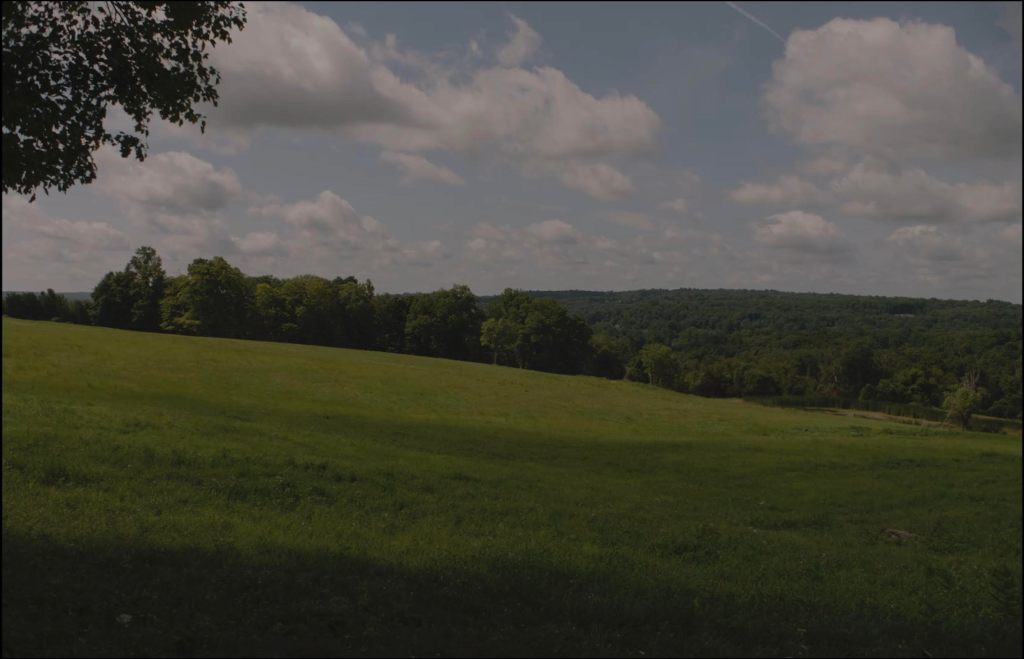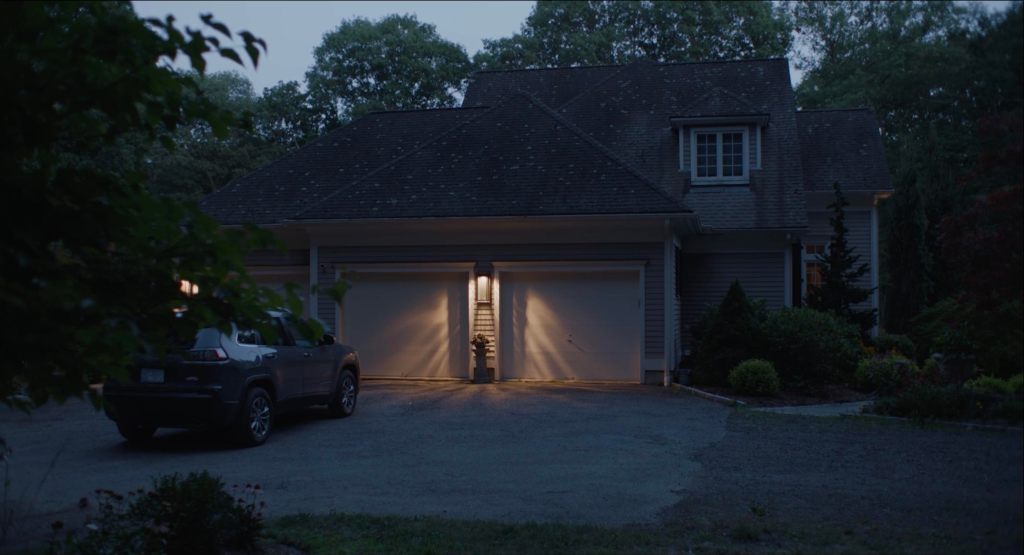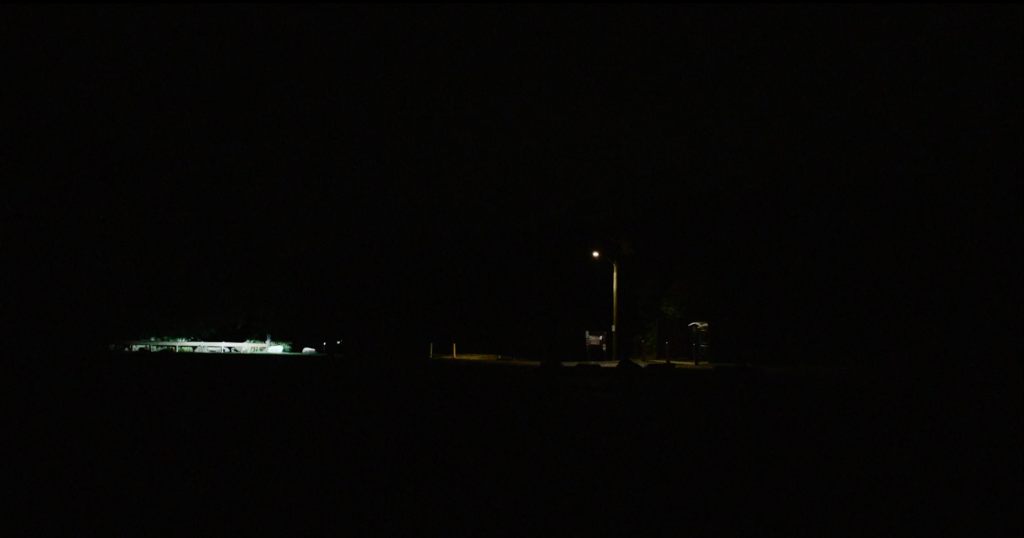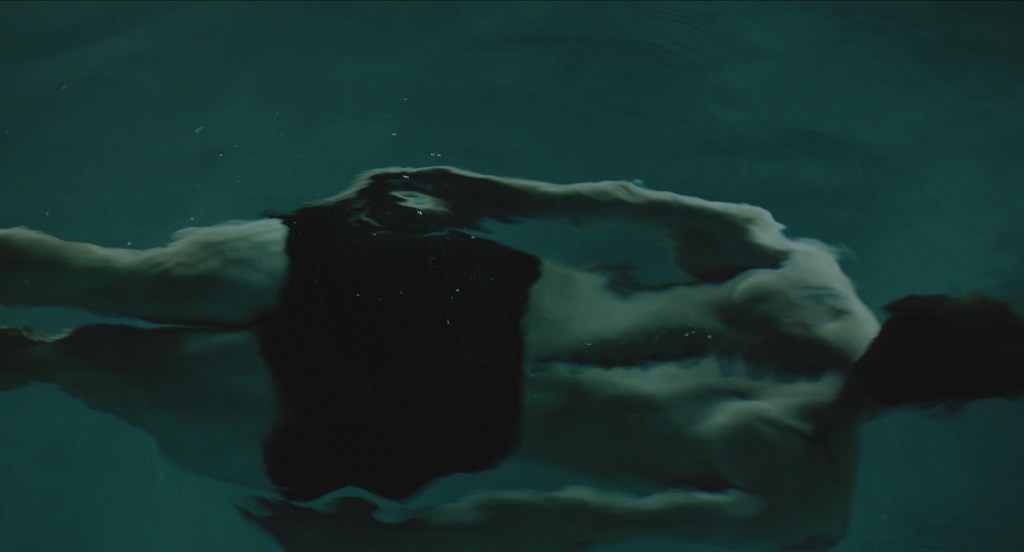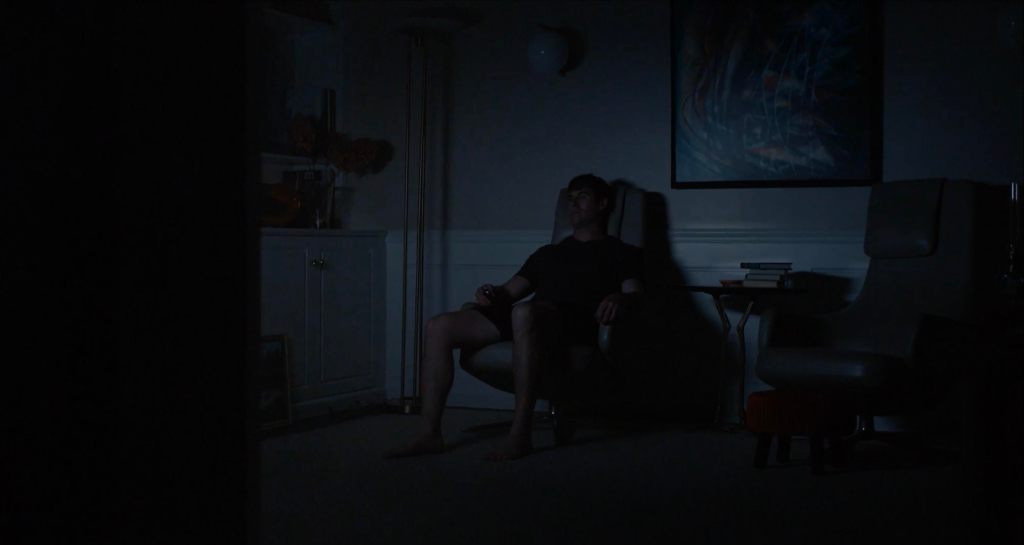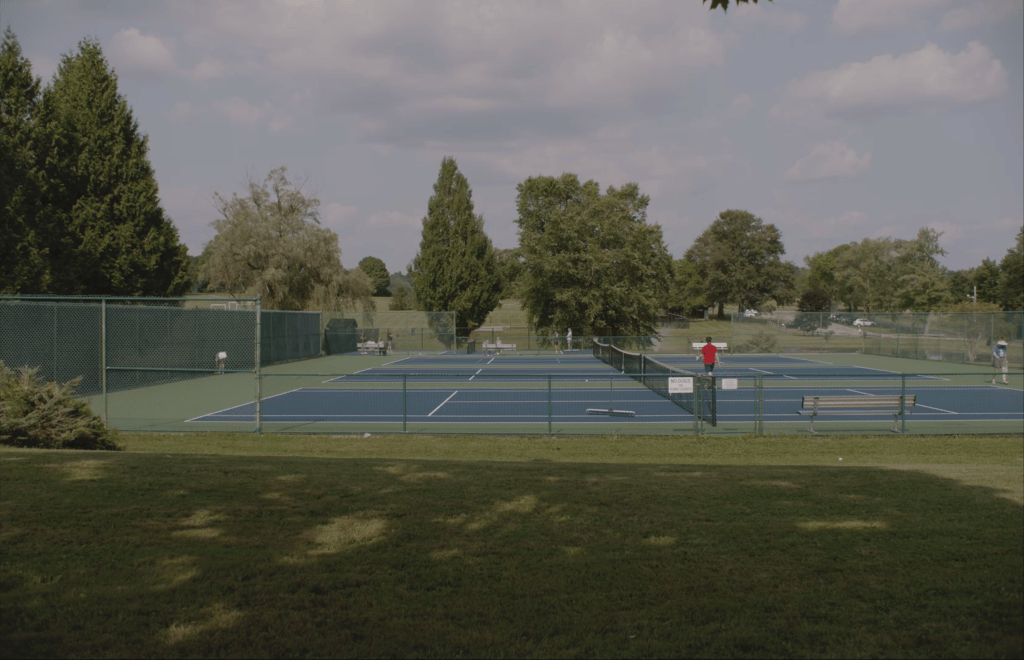
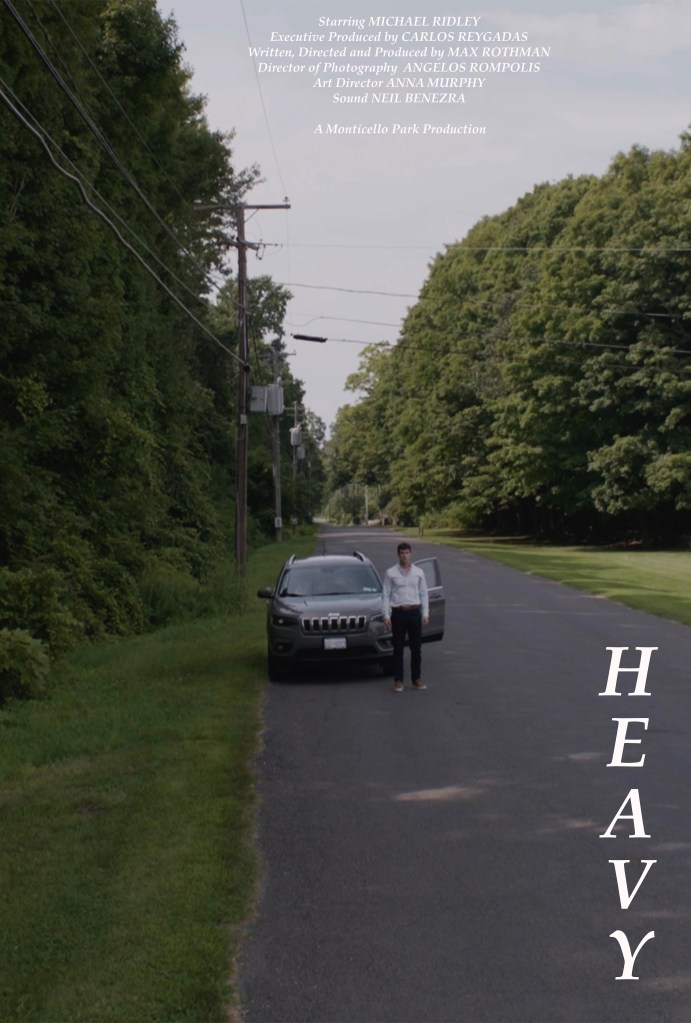
44 shots of silence, 44 shots of erasure. Heavy follows a man who commits murder, then carries out the cleanup like a silent, mechanical ritual. He stills himself from the emotional impact a murder may have on one’s mind. He goes on with his life with the knowledge of having taken a life, then progressively plans how to dispose of the body.
Max Rothman (director), Carlos Reygadas (producer), Angelos Rompolis (cinematographer), and Michael Ridley (actor) unflinchingly bring this film to life, each playing a part in executing this emotionally immersive film where silence has power. The actor remains deliberately passive, reining in the emotions someone might express after committing murder. He attains this seamlessly, bringing weight to the film. The director and producer clearly demonstrate a clear vision and refined taste, aligning the shots while complementing the narrative. The cinematographer’s color grading enhances the film’s visuals, matching the mood while not compromising the quality.
The majority of shots are static, forcing viewers to sit with the discomfort of the implication more than the action. Additionally, the filmmakers use the static shot as anticipatory composition, and observational shots relay the film’s heaviness and depth. The anticipatory framing was mostly used in moments when a new action is being introduced, an example being when he goes to the petrol station. Observational shots tied the film together, as it mostly feels like we are watching for his reaction or lack thereof. While most of us may appreciate these beautiful shots, for some they may feel overdone. Some shots felt unnecessarily long even though the intent was unease and tension; when overdone, it makes the film feel slow or demanding. Yet this deliberate pacing is part of the film’s challenge, as it isn’t designed for quick consumption but a reward for patience and attentiveness. As the producer of Heavy, Reygadas’ influence is visible in the way ordinary sounds complement the film’s rhythm, creating a contemplative atmosphere.
The film’s silence strengthens its direction, immersing viewers in an atmosphere where birds chirp, cars pass by, and trees become witnesses to murder. The absence of dialogue heightens ordinary noises, bringing contrast to the evil of dehumanization. Watching this film, viewers are forced to fill in the gaps. With visuals such as a black trash bag floating, we are forced to join the dots on our own. Clearly following the rule to show, not tell, Heavy lets the mind draw conclusions about the events taking place.
Heavy is a film that lingers while demanding viewers’ attention and attentiveness, only to be rewarded with its silence and the realization that humans value self-preservation more than life.
Now streaming on Amathus Films: https://amathus.vhx.tv/videos/heavy