

Frank Merle’s Namaka transforms elements of Hawaiian mythology, blending mystery and folklore.
Alex Cook, together with his wife’s family, goes on a vacation to Hawaii for the first time. His excitement is palpable. However, this trip goes differently from what he envisioned. While drinking at a bar, he meets a famous podcaster by the name of Guy Torrino, who speaks of all things geology and mythology. He later meets a woman by the name of Namaka as he ventures into the forest to play his ukulele. One visit turns into two as Alex finds himself pulled toward Namaka, only for him to realize the absurdity and unnaturalness of the situation. Will his mind win over the unseen pull of Namaka?
The screenplay steadily unfolds, unveiling the mystery and leaving room for the audience to piece together the supernatural orchestration alongside the protagonist. The narrative momentum suffers from a midpoint lull, as it becomes apparent that the strong beginning and shocking ending carry the film, with very little happening in the middle. As it happens to be repeated encounters between Alex and Namaka and windows of the family trip.
Beneath its fantasy framework, the film functions as an examination of our needs and wants. While it touches on the family dynamics between Pele and Namaka, these themes are not deeply explored. However, it shows how we tend to believe what we want to believe without taking accountability for our own desires. This is shown through Alex returning to Namaka even after recognizing how strange the interactions are.
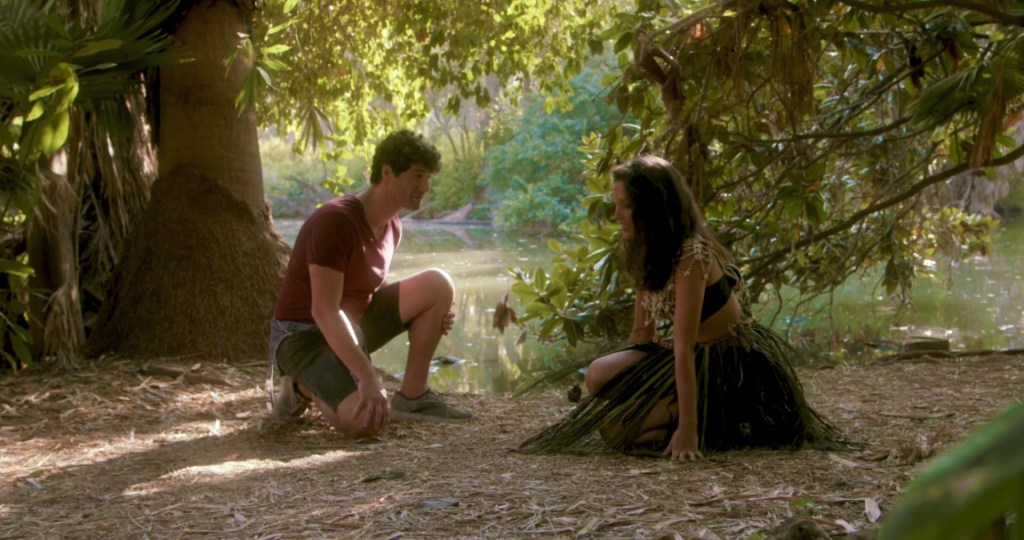
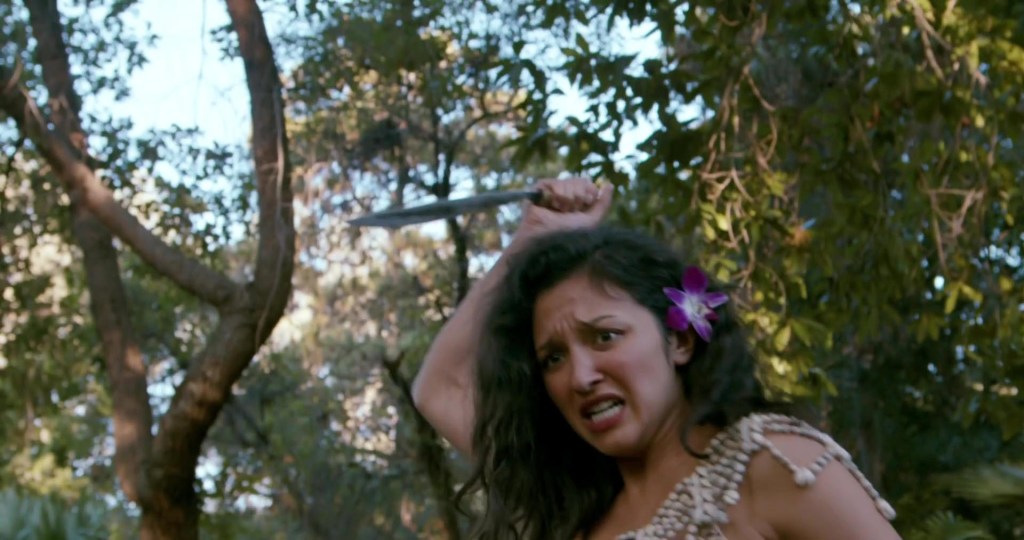
The protagonist, Alex Cook, embarks on a journey of self-realization as he fights the hold Namaka has on him, or so he thought. Meanwhile, the antagonist, Namaka, presents a look of innocence, naivety, and beauty while concealing a sinister reality focused on obsession, selfishness, and a need for love. Driven by loneliness, she genuinely believes that she’ll be loved. Despite her actions, viewers can’t help but sympathize. The supporting characters, Cook’s in-laws, are not given room to develop, leaving the scenes with them feeling flat as they simply exist but have limited conversations.
Merle demonstrates a firm understanding of storytelling through his gradual reveal of the mystery. Prioritizing atmosphere and emotional elements, he creates a foundation for mystery to take root while keeping the audience hooked. Using hybrid found footage, POV shots, and static shots, he changes the experience of the movie. By mostly utilizing footage acquired through Alex’s hat, the film feels unscripted, authentic, and more like a vlog, leading to a stronger connection with the cast. It makes viewers feel like they are witnessing events alongside Alex.
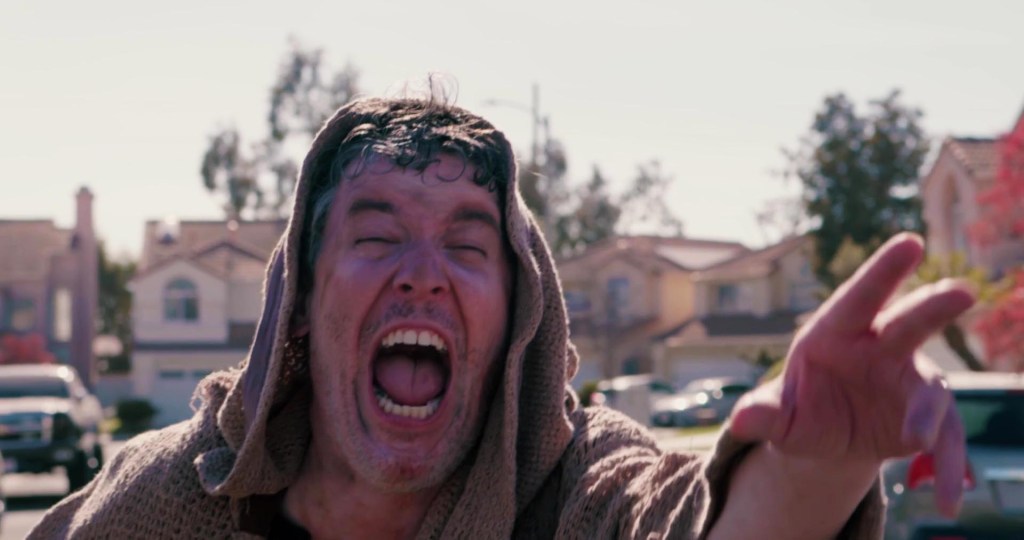
The cinematographer, Richard Trejo, uses color schemes to reflect the characters’ mental states while adding beautiful imagery to the film. Achieved by using warmer tones for moments of comfort. The film’s ending is rewarding and delivers an unforeseen full-circle moment as Alex remembers the words of the mysterious man that they ran into at the start of their trip.
This film is a representation of how our desires override our minds. Like the ocean, our emotions may be tides that we struggle to confront. Choosing to point outward is easier than looking within. Overall, it is a reminder to always be cautious of what we seek.
The Cast: Jamie Kennedy, Ash Tsai, Jason Markoff, Spencer Breslin, David Howard Thornton, Erin Killean, Jennifer Grace Farmer

